
Don’t let engine trouble get you down. From poor performance to costly repairs, engine problems can be frustrating, especially when you’re not sure what to do about them. On the other hand, knowing what different signs and symptoms can mean for your engine’s health can help you stay ahead of repairs and services — and avoid some of the most costly and debilitating engine problems.
We have a few of the most common signs you’re due for an engine repair, as well as possible repairs you may need to have done to get your engine performing its best again.
Your Car Doesn’t Have the Acceleration Power it Should
Is it more difficult to get up hills? Does your car hesitate when you press the gas pedal? These and other similar symptoms can indicate an engine problem. Fuel delivery, several sensors, and fuel combustion all play a role in your engine’s performance. If any of those processes or parts aren’t operating as they should, it can cause a lag in acceleration.
Worn or Faulty Spark Plugs Can Cause Engine Misfires
A misfiring engine will lack proper acceleration power and can feel like jerky acceleration. It’s also likely to trigger the Check Engine Light. When this happens, it’s time to have a mechanic check your car’s spark plugs, since one or more is likely faulty. Engine misfires make it more difficult to drive and will also damage the engine’s cylinders over time since fuel isn’t being combusted properly.
The good news is replacing spark plugs is a simple auto repair when caught early.
Failing Oxygen Sensors May Lead to a Stalling Engine
Another important part of getting the right ratio of fuel to air in the engine is oxygen sensors. Depending on your vehicle, you may have one or more of these sensors, which monitor air entering and leaving the engine and communicate how much fuel should be sent into the engine. As these sensors wear out, it can cause poor acceleration or fuel economy.
Similar to worn spark plugs, this is a simple auto repair for your mechanic to handle, though if left for too long, it can leave you stranded or cause engine damage.
A Faulty Fuel Pump Can Mean Too-Little Fuel Makes it to the Engine
Do you wait until you’re running on empty to fuel up? If so, it can cause extra debris and “gunk” to make it into the fuel pump, speeding up wear and tear that can prevent adequate fuel flow. Regardless of gas station habits, your car’s fuel pump will wear out over time — and if yours is wearing out, you may notice less acceleration power.
Pay attention to fuel economy and changes in your car’s performance so you can stay ahead of any engine repairs before they become more serious.
Your Engine is Running Hot or Overheating
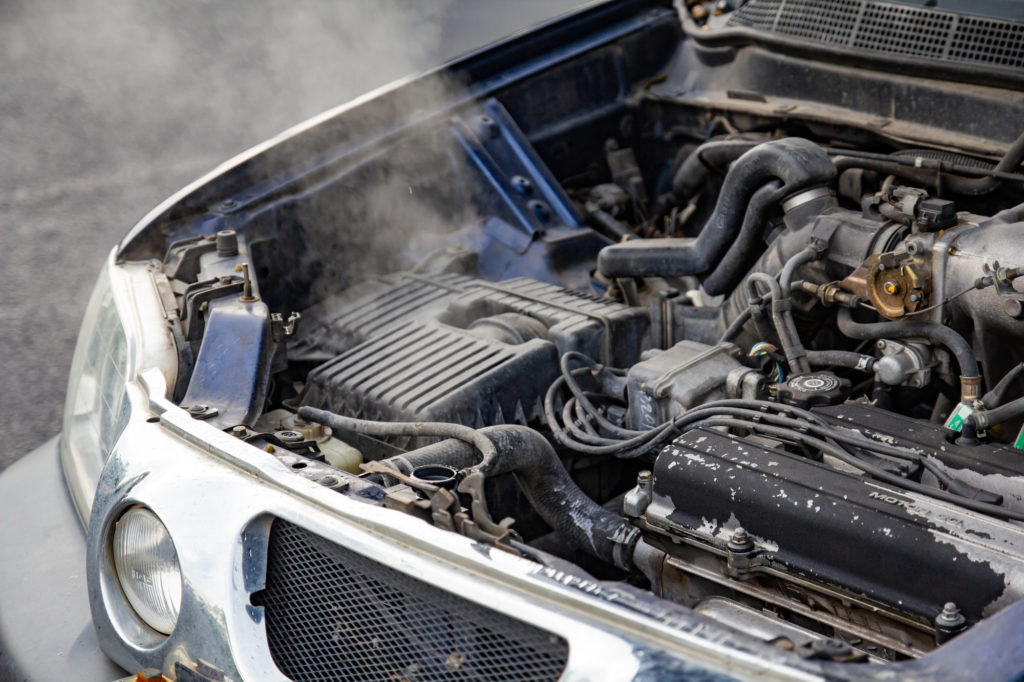
Keep an eye on your engine temperature gauge — if you notice it’s running warmer than usual, don’t pass it off as a fluke. While it’s possible the problem is your engine temperature sensor, you may also be dealing with an engine repair that can easily lead to overheating.
Check the Level & Condition of Your Engine Oil
Not only does engine oil help prevent extra wear on moving parts by keeping the system lubricated, it also helps prevent overheating by minimizing friction. If you’ve gone too long in between oil change services, it can cause your car’s engine to run hot or overheat. When you notice your engine temperature creeping up higher than it should, check the level and condition of your engine oil and schedule an appointment if it’s low or overly contaminated.
Make Sure the Cooling System is Working Properly
The most common cause of an overheating engine is a malfunctioning cooling system. As coolant cycles through this system, it draws heat out of the engine, helping to maintain a healthy operating temperature. As coolant becomes contaminated or low and parts wear out, the cooling system will gradually become less effective and need to be serviced.
On the other hand, if you notice a sudden change in engine temperature, you may have a coolant leak that needs to be repaired. When this happens, your best course of action is to call your nearest AAMCO for a tow service to the nearest auto shop.
The Check Engine Light Comes On
One of the most well-known dashboard warning lights is the Check Engine Light. While this warning light can mean there’s a problem with the engine, it can also be related to your car’s emissions. Pay attention to any other symptoms that may have started showing up and schedule an appointment with your mechanic for diagnostics. They’ll be able to check trouble codes to help point in the right direction for any needed repairs.
A Loose or Cracked Gas Cap Can Trigger this Dashboard Warning Light
If you recently fueled up and the Check Engine Light comes on, it’s possible you simply need to tighten the gas cap. Next time you park, check how tight the gas cap is, drive a few more miles, and see if the light turns back off. A loose gas cap is an emissions problem because it allows extra fumes from the fuel tank to escape into the environment. While this won’t necessarily damage your vehicle, a cracked or loose gas cap should be fixed as soon as possible.
AAMCO Tallahassee’s Mechanics Can Help Engine Repair
Don’t let engine problems catch you off guard. Keep up with regular maintenance and repairs thanks to the expert mechanics at your local AAMCO Tallahassee auto shop. No matter what your vehicle needs, we’re here to help. Schedule your appointment with us online today!